
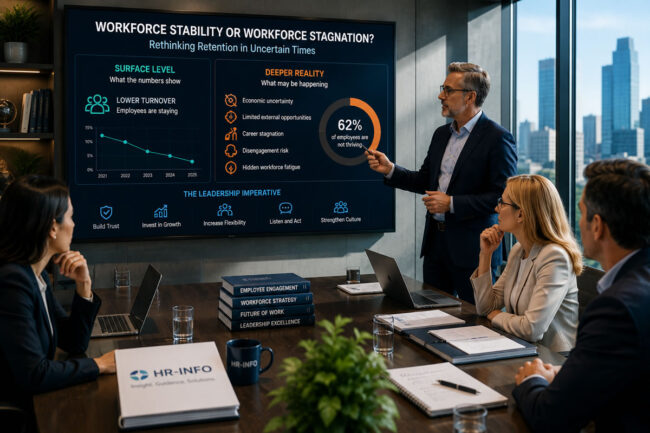
Workforce Stability or Workforce Stagnation? Reassessing Employee Retention in Uncertain Economic Conditions

For many organisations, lower employee turnover is traditionally viewed as a positive indicator of organisational stability, workforce satisfaction, and effective leadership. During periods of economic uncertainty, businesses often interpret stable retention figures as evidence that employees remain committed and engaged despite broader market pressures. However, the current workplace environment may require a more cautious interpretation.…
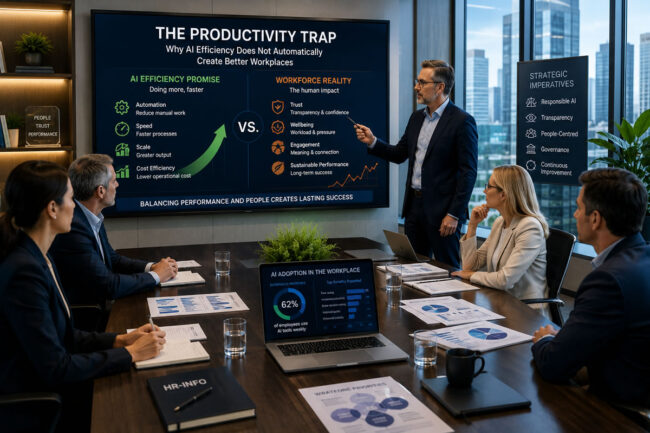
The Productivity Trap: Why AI Efficiency Does Not Automatically Create Better Workplaces

Artificial intelligence is increasingly being introduced into workplaces with the expectation that greater efficiency will naturally lead to stronger organisational outcomes. Businesses continue investing heavily in AI-powered systems designed to automate repetitive work, accelerate decision-making processes, and improve productivity across multiple functions. On the surface, the assumption appears logical. If tasks can be completed faster,…

Why HR Must Become a Strategic Voice in Workplace AI Decisions

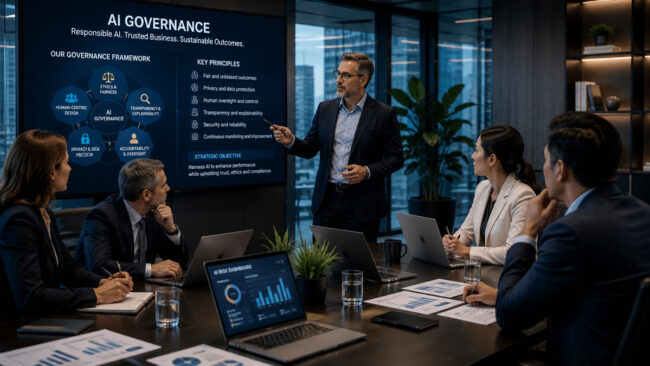
The adoption of artificial intelligence within Australian workplaces is no longer a future consideration. It is becoming an operational reality across multiple industries and organisational functions. AI-powered systems are increasingly influencing recruitment practices, performance management, workforce analytics, employee communications, productivity measurement, and business decision-making processes. For many organisations, discussions surrounding AI implementation have largely been…

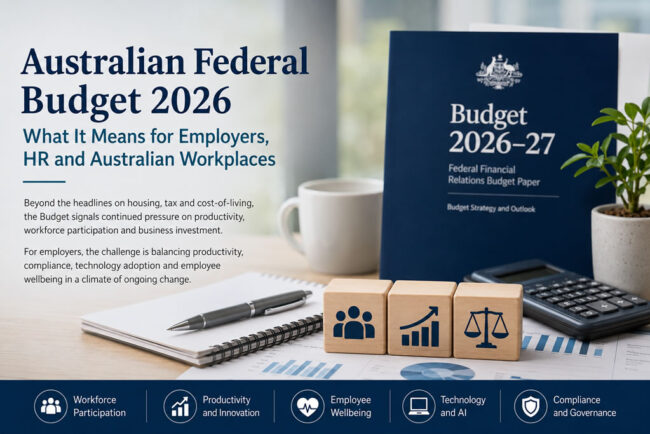
Australian Federal Budget 2026: What It Means for Employers, HR and Australian Workplaces

The Federal Budget delivered this week has been framed largely around housing affordability, cost-of-living pressures, productivity, healthcare spending, and long-term economic resilience. Yet beneath the political debate and headline announcements lies another important reality: many of the Budget’s long-term consequences will ultimately be felt inside Australian workplaces. For employers and HR professionals, the Budget reinforces…

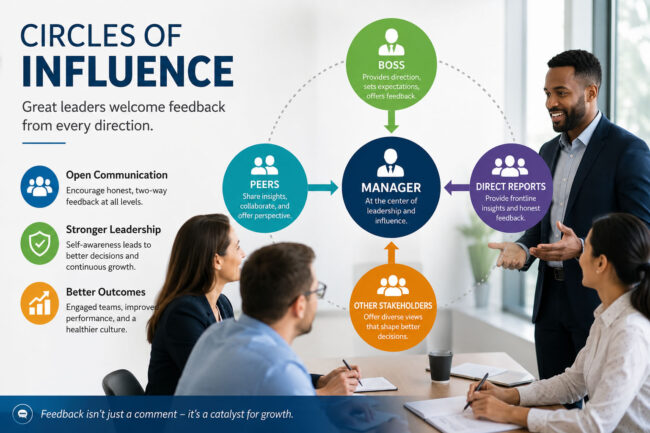
Circles of Influence: Why Great Managers Invite Feedback Upward

Adapted and expanded from the original article by David A. Bratton. For decades, organisations have focused heavily on downward feedback — managers evaluating employees, identifying weaknesses, measuring productivity, and monitoring performance. But one of the biggest blind spots in leadership is often ignored: Who evaluates the manager? It is a question many workplaces still struggle…

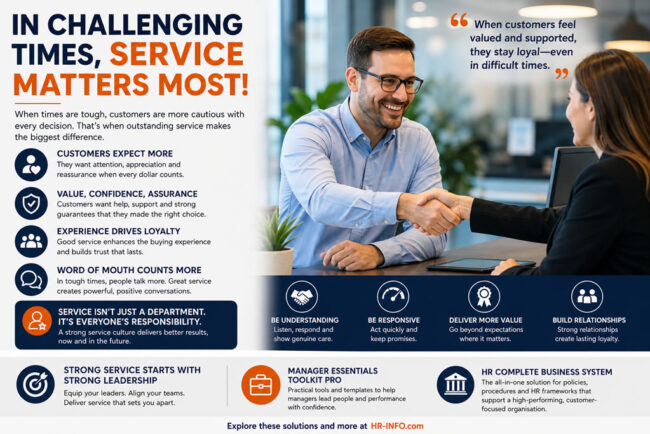
In Challenging Times, Service Matters More Than Ever

Inspired by original ideas from Ron Kaufman Economic pressure changes customer behaviour. When conditions tighten, organisations often look inward—cutting costs, streamlining operations, and in many cases, reducing investment in customer service. On the surface, this may appear logical. In reality, it is often the exact opposite of what is required. Because in difficult times, service…