



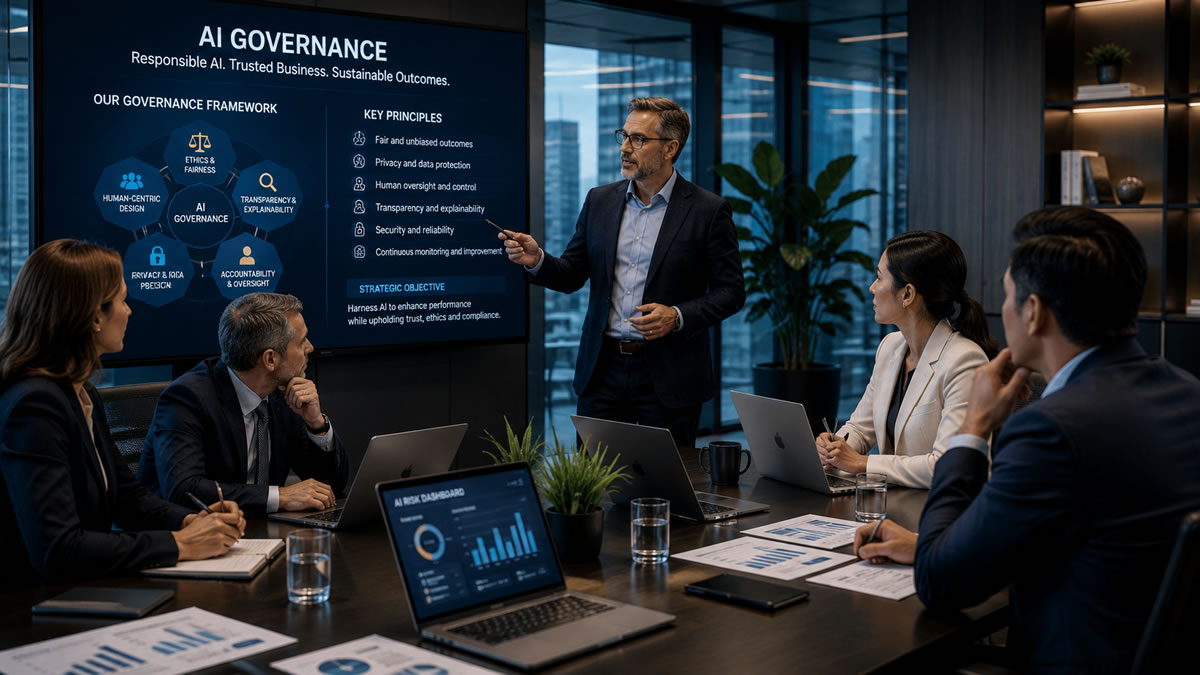
The adoption of artificial intelligence within Australian workplaces is no longer a future consideration. It is becoming an operational reality across multiple industries and organisational functions. AI-powered systems are increasingly influencing recruitment practices, performance management, workforce analytics, employee communications, productivity measurement, and business decision-making processes.
For many organisations, discussions surrounding AI implementation have largely been led by technology teams, operational leaders, and executive management. Historically, such an approach may have appeared logical. AI has often been viewed primarily as a technology issue requiring technical expertise and infrastructure planning.
However, this assumption is becoming increasingly difficult to sustain.
As workplace AI systems expand their influence over employment-related decisions and employee experiences, the risks and responsibilities associated with these technologies are extending well beyond traditional IT boundaries. Increasingly, organisations are finding that AI adoption creates questions involving privacy, workplace trust, employee wellbeing, bias, transparency, and organisational culture.
These are fundamentally workforce issues.
As a result, HR departments are beginning to occupy a more strategic role in organisational AI discussions.
This shift represents a significant evolution in the traditional responsibilities of HR. Historically, HR functions were frequently centred around recruitment, policy administration, employee relations, and regulatory compliance. While these responsibilities remain critical, modern organisations are increasingly requiring HR leaders to participate in broader discussions involving workforce transformation and organisational governance.
Artificial intelligence introduces a range of workplace considerations that require careful oversight.
AI-assisted recruitment systems, for example, may improve efficiency while simultaneously introducing concerns surrounding unconscious bias, transparency of decision-making, and procedural fairness. Employee monitoring technologies designed to measure productivity may provide valuable operational insights but can also affect trust, morale, and psychological safety if implemented without appropriate consultation or governance.
Similarly, workforce analytics platforms may generate increasingly sophisticated insights while raising important questions surrounding privacy and the ethical use of employee data.
Without structured oversight, organisations risk creating workplace systems that unintentionally undermine the very workforce outcomes they seek to improve.
HR leaders therefore have an increasingly important responsibility not simply to respond to technological change, but to help shape it.
The organisations most likely to succeed in the next phase of AI adoption may not necessarily be those implementing technology fastest. More likely, they will be organisations capable of balancing innovation with workforce trust, productivity objectives with employee wellbeing, and operational efficiency with ethical responsibility.
Workplace AI is unlikely to slow.
The more important question for organisations may therefore become whether HR has a meaningful voice in determining how these technologies influence the future of work.
Because as AI increasingly shapes workplace decisions, HR’s role is also changing.
It is no longer simply managing people.
It is helping govern the relationship between people and technology.
Final Thought
Artificial intelligence will almost certainly continue reshaping workplaces over the coming years. The question for organisations is unlikely to be whether AI should be adopted, but rather how that adoption occurs and who influences the decisions surrounding it.
Organisations that focus solely on technology implementation risk overlooking the workforce implications that often determine whether change succeeds or fails. Productivity gains achieved at the expense of trust, transparency, and employee confidence may ultimately prove difficult to sustain.
As AI becomes increasingly embedded within workplace systems and decision-making processes, HR leaders have an opportunity to play a far more strategic role than many organisations have historically assigned to them.
The future of workplace AI may not simply depend on technology itself.
It may depend on whether organisations ensure people remain part of the conversation.
HR-INFO Resources
As workplace AI adoption accelerates, organisations should review policies, governance frameworks, leadership capability, privacy obligations, and workforce strategies to ensure technology implementation aligns with both operational and workforce objectives.
Explore professional HR tools and workplace resources at HR-INFO.